Rear-end crashes look simple, at least from the shoulder of the road. Someone hit you from behind, so the other driver must be at fault. Insurance should pay. You expect a rental car, a repair estimate, maybe some physical therapy, and you move on. That is the story many drivers in El Dorado Hills start with after a rear-end collision on Silva Valley Parkway or Highway 50. The reality, once the calls with adjusters begin and the medical bills stack up, rarely stays that clean.
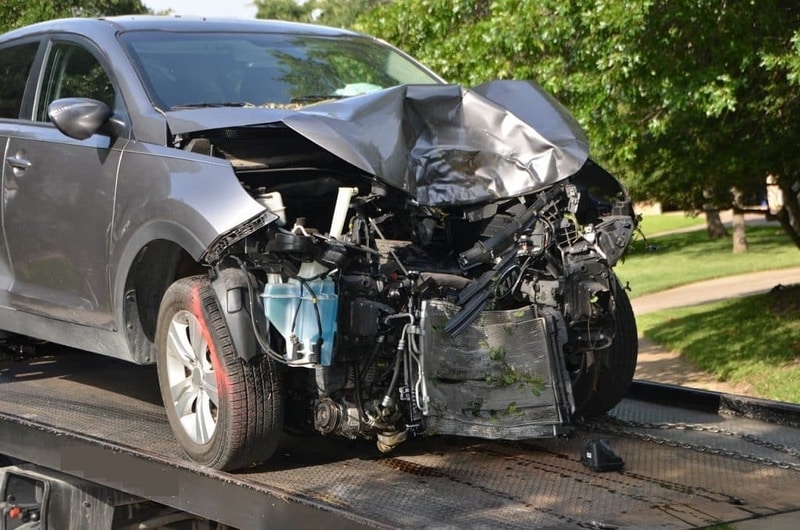
The question of whether you need an EDH car accident attorney for a rear-end collision is not one-size-fits-all. It turns on your injuries, the insurance posture, how liability is being framed, and even small details like dashcam footage and what you told the urgent care nurse. I have watched straightforward fender-benders morph into six-month ordeals because an adjuster latched onto a single phrase in a medical record or because the other driver’s employer denied he was on the clock. I have also seen clients waste time and energy hiring counsel for a claim that paid quickly and fairly without a fight. The aim here is to help you sort which path you are on.
Why rear-end crashes aren’t automatically “easy”
California law presumes a following driver must maintain a safe distance, and that usually places fault on the rear driver. But “usually” leaves plenty of room for arguments. Insurers may dispute the facts with more creativity than you expect. A sudden stop, a non-functioning brake light, a phantom third vehicle that cut in and slammed its brakes, a chain-reaction pileup with multiple points of impact, a rideshare driver toggling between apps, or even a commercial truck with a questionable event data recorder, these details can complicate liability and damages.

Then there are injuries. A low-speed impact can still cause neck strain, concussion symptoms, or aggravated disc issues. Whiplash has an undeserved reputation as a minor complaint that clears in a week. In practice, some people truly do feel fine within days, while others develop headaches, shoulder impingement, radiculopathy, or post-concussive symptoms that linger for months. If you have a prior back or neck condition, the insurer will focus on it. They will look for gaps in treatment and use them to discount your pain. Even a delayed ER visit can be framed as proof that you were not really hurt. That is the playbook.
When you can probably handle it yourself
If your vehicle damage is modest, medical care is minimal, and liability is crystal clear, you may not need a lawyer. Think of a parking-lot tap that scuffs the bumper, a same-day urgent care visit with no imaging and discharge instructions for over-the-counter meds, and documented symptoms that resolved in a week or two. In that lane, you are mainly dealing with property damage and a small medical claim. An EDH car accident attorney can still add value, but their fee might outstrip the incremental benefit if the insurer is cooperative.
There is a practical checkpoint: once your injuries have fully resolved and you have all your bills and records, ask the adjuster for the policy limits and a settlement range. If they readily confirm sufficient limits and propose a number that covers your bills plus a fair pain-and-suffering component, you may be in DIY territory. The key is knowing what “fair” means for your specific facts, and this is where many people misjudge the landscape.
Red flags that suggest you need a lawyer
Most cases tilt toward counsel because rear-end claims often present at least one complicating factor. When you see one or more of the following, it is time to talk to a car accident lawyer who handles cases in and around El Dorado Hills.
- You have persistent symptoms beyond a few weeks, worsening pain, radiating numbness or tingling, significant headaches, or dizziness. Imaging reveals a herniated disc, rotator cuff injury, or knee damage, or your provider recommends injections or surgery. The adjuster hints at shared fault, blames a sudden stop, questions your brake lights, or cites a mystery vehicle that “cut in.” You have preexisting spine or joint issues and the insurer calls your new symptoms a flare-up rather than a new injury. The at-fault driver was on the job, in a company vehicle, or driving for rideshare, raising commercial coverage and employer liability issues.
Any one of those can drag a claim into disputed territory. Two or more should set off loud alarms.
What a local EDH car accident attorney really does in these cases
People imagine a lawyer only comes into play at the courthouse. In a rear-end crash, most of the work is done long before litigation. The value of an experienced EDH car accident attorney lies in three core areas: evidence control, medical story-building, and negotiation with a realistic endpoint in mind.
Evidence control means moving fast. In a rear-end collision, useful evidence can vanish in days. Event data from newer vehicles can be overwritten. Traffic camera footage may not be retained unless requested promptly. Businesses near the crash site sometimes have security video that shows speed or signal phases. An attorney’s office knows who to call, what to ask for, and how to preserve this material. I have seen dashcam footage from a vehicle two cars back resolve a “sudden stop” defense in fifteen seconds.
Medical story-building is not coaching, it is sequencing and clarity. Good lawyers do not tell doctors what to write, but they do help your providers document the mechanism of injury and the timeline of symptoms in a way that aligns with the medical literature and your lived experience. Insurance companies scrutinize initial records aggressively. If the ER triage notes only mention neck pain, then three weeks later you report headaches and memory issues, expect pushback. A seasoned attorney will gather supplemental narratives from providers that explain why concussion symptoms sometimes present later, why delayed inflammation can trigger sciatica after the acute phase, and how your prior back history interacts with a new trauma.
Negotiation with a realistic endpoint looks different from the feel-good early calls adjusters make. Insurers work off internal valuation software and claim-handling rules. They discount for treatment gaps, non-compliance, low property damage photos, conservative imaging, and benign exam notes. A lawyer who has settled dozens of rear-end cases in this region knows, for instance, that a $1,800 bumper repair does not automatically cap your pain claim, that a normal X-ray does not rule out a disc injury, and that Sacramento-area juries respond differently to certain injury profiles than, say, Bay Area juries. That local calibration matters.
How California law frames fault and damages in rear-end claims
California applies comparative negligence. Even in a rear-end scenario, the insurer will try to assign you a slice of fault if there is a plausible narrative. Maybe your brake lights were dim, or you changed lanes and braked suddenly for a turn. If they pin you with 20 percent fault and your total damages are $50,000, your recovery drops to $40,000. That math drives many of the arguments you will hear.
On damages, you are entitled to economic losses, like medical bills and lost wages, and non-economic losses, like pain, inconvenience, and loss of enjoyment. In soft-tissue dominant cases, non-economic damages often carry most of the value. Insurers know this and will try to narrow your daily-life impact. Specific examples beat generalities. “I could not lift my 35-pound child for three weeks, and we had to cancel our Tahoe trip,” lands better than “I had a lot of pain.” A lawyer helps you capture those realities without overreaching.
Keep an eye on the two-year statute of limitations for personal injury in California, and the six-month claim deadline if a public entity is involved. If your case involves a government vehicle, a missing traffic sign, or road debris, the timing changes quickly. An attorney will calendar these dates and build backward from them.
Property damage and diminished value often get ignored
Most people focus on medical issues, then take whatever the property adjuster offers. That can leave money on the table. In a rear-end crash, you have the right to use OEM parts in some situations, especially on newer or leased vehicles, and you can claim diminished value after a significant repair. In practice, diminished value claims require evidence: pre-crash condition, mileage, model-specific market impacts, and the nature of the repair. An EDH car accident attorney who regularly handles property damage can coach you on when an independent appraisal makes sense or when the insurer’s offer is in the fair range.
Rental coverage has its own traps. If your car is drivable but unsafe, insist on a safety inspection and documentation. If supply chain delays stretch a repair from eight days to twenty-five, you can often push for more rental time, but you need the shop’s written updates. Small details drive outcomes here.
The medical maze: what records and timing can do to your claim
I have yet to see a rear-end claim where the medical records did not decide the case. Adjusters do not meet you, they read you. The first few medical notes often define your entire value band. If your urgent care record says “no head strike” but the paramedic narrative mentions your head hitting the headrest and dizziness at the scene, your attorney will flag the inconsistency and ask the provider for an addendum. If your primary care physician downplays your pain, your lawyer may refer you to a physiatrist or neurologist with collision experience, not to fabricate, but to ensure the right expertise assesses your symptoms.
Consistency matters more than intensity. If you skip physical therapy for three weeks, the insurer will assume you improved or stopped caring. If you work full days on construction sites then report ten-out-of-ten pain nightly, expect skepticism unless there is a clear explanation. A good lawyer helps you present your real life without sandpapering the contradictions.
What happens if you do nothing for a while
Some people wait, hoping symptoms fade and the claim irons itself out. That is understandable. Life does not pause for a fender bender. The risk is that delay can devalue your case. Memories blur. Witnesses change numbers. Surveillance video gets overwritten in days or weeks. Even your own phone photos can disappear in a routine storage purge. If you want room to decide later, take basic steps now: notify your insurer, get the police report if there is one, photograph all vehicles, and get a medical evaluation within 24 to 72 hours if you feel any pain, stiffness, dizziness, or headache. Documentation early on preserves options.
Insurance adjuster tactics you are likely to see
Not every adjuster plays hardball, but some common patterns recur.
First, the early friendly call. The adjuster asks to record your statement. That recording becomes the backbone of their file. Harmless phrases can haunt you. “I am fine” on day one does not mean you were uninjured, but it will be quoted back to you if you later report pain. If you are not represented, decline a recorded statement until after you have seen a doctor.
Second, the property damage anchor. They show you photos of minimal bumper scuffs and suggest that with low property damage, injury must be minor. That is not medically sound. Vehicle design absorbs energy, especially at lower speeds, and neck injuries can occur without dramatic crumpling. Do not accept a medical conclusion drawn from a repair invoice.
Third, the medical micromanagement. An adjuster questions chiropractic visits, suggests you should have “healed by now,” or proposes a small settlement before you finish care. Taking an early payout closes your bodily injury claim. If you are still symptomatic, resist pressure to settle. No one returns the release form if you discover a torn labrum six weeks later.
Why local matters in El Dorado Hills
An EDH car accident attorney who practices regularly in this corridor will know a few things outsiders guess at. Traffic patterns on the 50, for instance, produce specific types of rear-end collisions near on-ramps where speed differentials are high. Local repair shops and dealership service departments have differing backlogs that affect rental coverage fights. Mercy Hospital and regional imaging centers have predictable turnaround times and documentation idiosyncrasies. These little realities influence demand timing and negotiation windows.
Local counsel also knows the judges and mediators you are likely to see if the case does not settle quickly. They can advise candidly on which claims adjusters stick to software and which have room to negotiate off-matrix for concussion cases or for persistent headaches without abnormal imaging. This is not favoritism, it is familiarity with patterns that save you time and frustration.
The money question: fees and net outcomes
Personal injury lawyers typically work on contingency, commonly a third of the recovery before filing suit, and a higher percentage if litigation begins. The question to ask is not “What is the fee,” but “What is my net after fees and medical liens.” On straightforward cases, the gap between an unrepresented settlement and a represented one might be small, and an honest car accident lawyer will say so. On contested rear-end cases, a lawyer often more than makes up their fee through higher gross recovery and better lien reductions.
Medical liens matter. If your private health insurance pays for treatment, they may assert subrogation rights to recoup some costs. If you treat on a lien with a provider who agrees to get paid from the settlement, those balances can be negotiated. The difference between a raw $10,000 bill and a negotiated $6,000 payment drops straight to your pocket. Lawyers who do this weekly tend to get better results than patients calling once.
Timing the demand: when to settle and when to wait
Rushing a demand before your injuries declare themselves can cost you. Waiting too long can make an insurer suspicious or push you up against the statute. The sweet spot typically arrives once you reach maximum medical improvement or have a clear treatment plan. For soft-tissue injuries, that might be six to twelve weeks after consistent therapy. For nerve pain or suspected disc injury, it might be after an MRI and, if recommended, an epidural steroid injection. Your attorney will stack the record, obtain narratives from key providers, and send the demand when the story is coherent and documented.
Do not be surprised if the first offer is half or less of the demand, even in a rear-end. Insurers train adjusters to start low. The second or third round is where you see whether the case will resolve or needs a lawsuit to move. Filing suit is not a failure, it is leverage and structure. Most rear-end cases still settle before trial, but meaningful movement often occurs after deposition testimony clarifies facts and credibility.
Practical steps you can take this week
If you are weighing whether to call a lawyer, a few simple actions will improve your position either way.
- Gather every photo and video you have, including close-ups of license plates, skid marks, seatbelt marks on your torso, and dashboard indicator lights after impact. Back them up in two places. Write a one-page timeline from memory: speed, lane, weather, traffic density, what you saw in the rearview, and what your body did on impact. Date it and email it to yourself. Get a full copy of the police or CHP report, if one exists, including diagram and narrative. Note any factual errors to correct early. See a provider who documents well. If symptoms persist, ask for referrals to specialists rather than riding it out. Call your own insurer and open a claim. Even if you were not at fault, your collision or med-pay coverage could bridge gaps and speed repairs.
These are not legal maneuvers, they are preservation steps that keep your options open and give any EDH car accident attorney a head start if you bring one in.
Edge cases you might not expect
Two scenarios trip people up. The first is the “light tap” with big symptoms. If your car shows minimal damage and your neck is on fire, get care quickly and expect a skeptical audience. Gather any evidence of head position at impact, seatback failure, or pre-impact braking that may have increased occupant movement. Your attorney may recommend a biomechanical consult in rare cases, not because you must prove injury with physics, but to counter a defense expert if the insurer goes that route.
The second is the commercial defendant who admits liability but fights damages ruthlessly. A delivery driver who rear-ends you at a stoplight may trigger higher policy limits, which can be a double-edged sword. There is more money available, and more invested in limiting payouts. These cases sometimes justify earlier attorney involvement, even when injuries seem moderate, simply because the defense infrastructure ramps up fast.
So, do you need an attorney?
If your rear-end collision left you with minor sprains that resolved, the insurer treated you fairly, and your out-of-pocket expenses were minimal, you may not. If you are feeling pressure to settle while you are still hurting, if liability suddenly looks less certain than it did at the curb, or if the adjuster’s tone changed after reviewing your records, a consultation is usually wise. Most EDH car accident attorneys will review your situation for free and tell you candidly whether they can add value.
Rear-end crashes are common, but the outcomes vary wildly. The law presumes a following driver must keep a safe distance, car accident lawyer maps.app.goo.gl but insurers do not write checks on presumptions alone. Documentation, timing, and presentation determine most results. If you decide to proceed without counsel, be methodical. If you choose to bring in a car accident lawyer, pick someone who knows the road names you drive every day, the doctors you are seeing, and the insurers you are up against. The difference between a claim that drags and a claim that resolves fairly often comes down to those local details.
Finally, give yourself permission to treat your health as the priority. Rear-end collisions might look minor to the outside world. Only you know how your body feels when you reach for a coffee mug in the morning or lie down at night. Whether you hire an EDH car accident attorney or not, do not sign away your rights until your body’s story is fully told, in medical notes and in your own words, backed by the small facts that insurers cannot easily wave away.